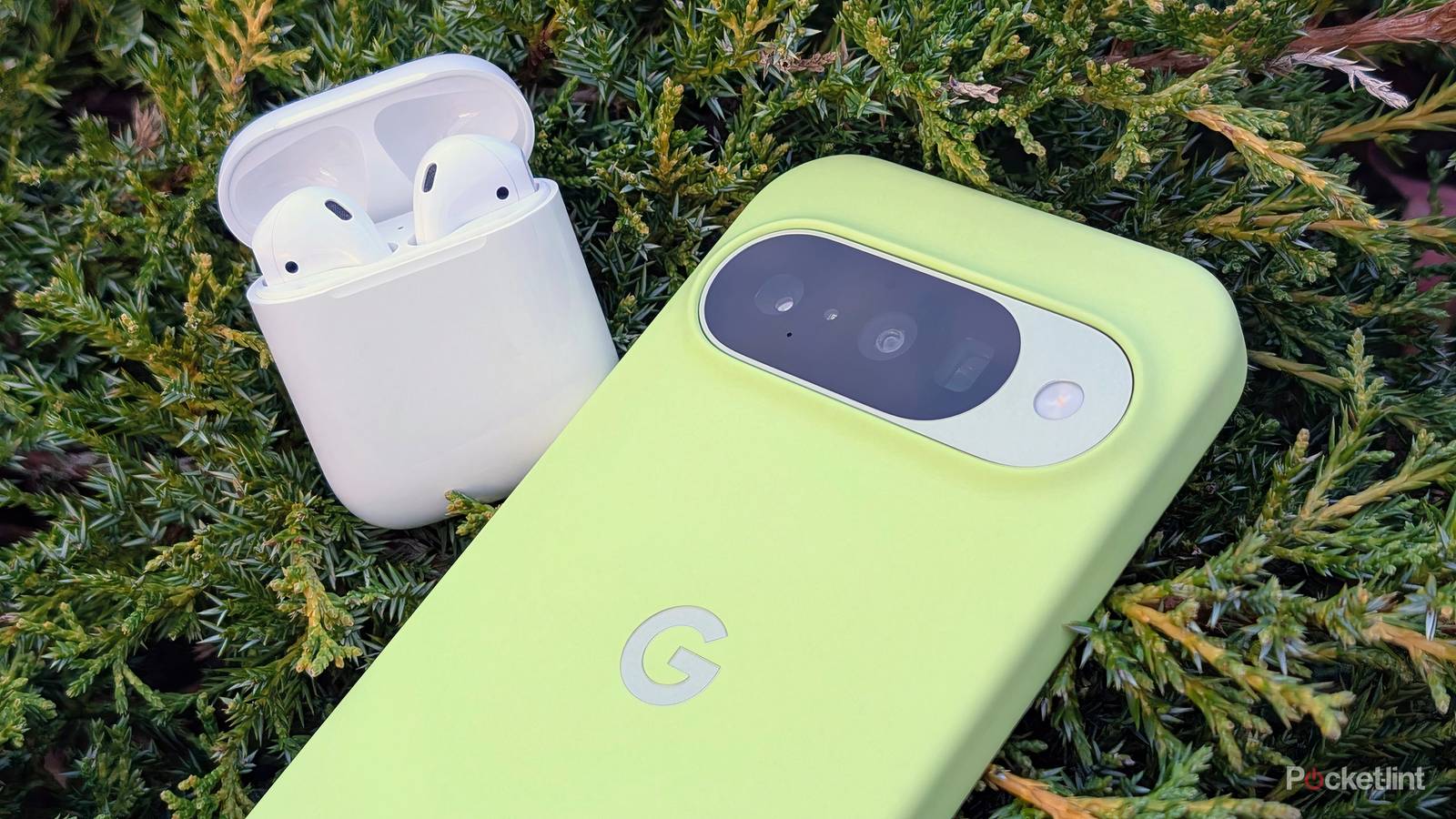
There isn’t any doubt that Apple’s AirPods are a number of the greatest true wi-fi earbuds out in the marketplace. They function strong fit-and-finish, a now-iconic design language, and a ton of additional audio (and even some non-audio) associated options, relying on which mannequin you spring for.
In frustratingly true Apple style, nevertheless, all AirPods are handled as second-class residents when paired with non-first-party {hardware}. Whether or not you are rocking an Android smartphone, a Windows PC, a ChromeBook, or perhaps a Linux laptop, a lot of the AirPods magic is misplaced in translation since these aren’t Apple-sanctioned platforms.
Certain, you may join a shiny new pair of AirPods Professional 3 to an equally shiny new OnePlus 15 handset, however you will be lacking out on such options as in-ear detection, spatial audio, computerized machine switching, Siri and Discover My compatibility, battery life standing updates, one-tap setup, button customization, and even the flexibility to replace the earbuds’ firmware model.
…all AirPods are handled as second-class residents when paired with non-first-party {hardware}.
As for noise cancellation and transparency modes, whereas these important AirPods features do work outdoors the Apple ecosystem, they’re much more cumbersome to cycle between since there is no devoted person interface to work with.
That is the place the free and open-source (FOSS) LibrePods app comes into the image. With its supply code accessible over on GitHub, LibrePods has been gaining some traction in current occasions (partially as a consequence of protection by Android Authority and different tech publications), because it brings a correct UI for managing most features of the AirPods expertise.
Whereas different options like OpenPods from F-Droid have existed for a while now, LibrePods is much more highly effective. Listed below are the principle options supported by the app on the time of writing, as outlined by the developer:
- Noise management modes
- Ear detection
- Battery standing
- Head gestures
- Conversational consciousness
- Listening to Assist mode
- Transparency mode customization
- Renaming operate
- Lengthy-press motion customization
- Accessibility settings
What is the catch?
On most Android units, LibrePods requires root entry
All good issues in life include a catch, and within the case of the third-party LibrePods utility for Android, there is a potential doozy to concentrate on: your phone needs to be rooted to be able to make correct use of the app and all its features.
For anybody unfamiliar, Android rooting refers back to the technique of gaining elevated, privileged management (additionally referred to as root entry) over the working system and its numerous subsystems, which elevates the person to ‘superuser’ standing in the identical vein because the default habits on Linux and different Unix-based working programs.
You possibly can consider rooting as being considerably akin to jailbreaking an iPhone or iPad, although the latter is targeted totally on gaining superior administrator-level permissions to be able to make sweeping adjustments to the system. Whereas Android rooting is not as widespread in the present day because it was a decade or two in the past, the method itself stays pretty easy if you recognize what you are getting your self into.
For extra info and assets as regards to Android rooting, a devoted article is offered over on Android Police.
Along with this base root prerequisite, LibrePods additionally requires the set up of the free and open-source Xposed framework, which, because the developer of the app factors out over on Github, is a workaround wanted as a consequence of an ongoing bug inside Android’s present Bluetooth stack.
The one silver lining is that when you’re utilizing a cellphone with ColorOS or OxygenOS 16 (the Android skins that energy Oppo and OnePlus flagships, respectively), then you do not want root entry or Xposed to unlock the essential suite of LibrePods options. On my OnePlus 15, for instance, I used to be capable of get the app up and operating with no hitch, although the expertise remains to be considerably hamstrung.
Superior AirPods features like transparency mode, listening to support setup, and Bluetooth Multipoint do require root, even on ColorOS and OxygenOS, which places a damper on issues. As for Linux desktop customers, there is no want to fret about rooting or fiddling round with module frameworks — the app will merely operate as it’s throughout most distros, owing to the open-ended nature of the computing platform.
Trending Merchandise


Wireless Keyboard and Mouse, Ergonomic Keyboard Mo...


Wi-fi Keyboard and Mouse Combo – Rii Commonp...

LG FHD 32-Inch Computer Monitor 32ML600M-B, IPS wi...



ASUS RT-AX86U Pro (AX5700) Dual Band WiFi 6 Extend...